The most valuable welding expertise for many manufacturing businesses exists in the heads and hands of a few highly experienced welders. Historically, that expertise has been passed down one apprentice at a time. As fewer new apprentices come on the scene each year, this powerful knowledge is quickly being lost, leaving a critical skills gap that threatens productivity and quality.
Robotic welding systems are helping to bridge this gap. Providing a platform for this valuable expertise to be transferred to that can work effectively, efficiently and consistently for many years to come.
Pressures of the Current Skills Gap
Every year, fewer and fewer people are opting for careers in trade fields like welding. This is creating a shrinking pool of skilled and certified welding professionals. Many of which are older and are already starting to dream of their retirement years. Leading this pool to shrink further each year.
Skilled welding professionals have specialised knowledge that is difficult to emulate. Many of the existing welders gained their knowledge from the experts before them and then continued to hone their craft over many years, gaining invaluable experience to produce high-quality, consistent results that keep customers happy and the production line moving smoothly.
With no apprentice ready to pass this knowledge down to, this knowledge will just disappear as the welder moves on to the next stage of their life, enjoying their well-earned retirement.
How Robotic Welding Systems Capture Expertise From Experienced Welders
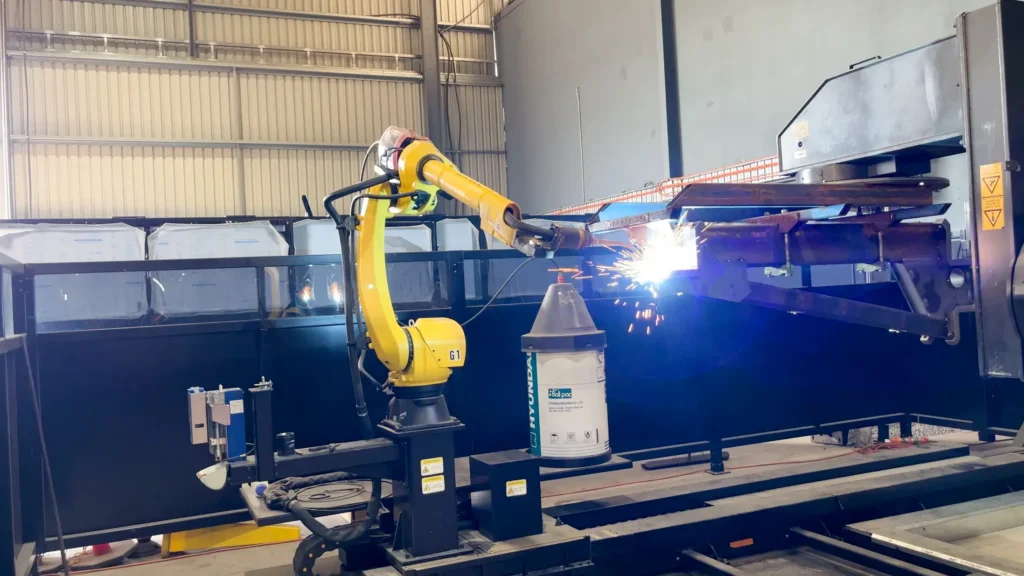
Robotic welding systems are precisely engineered to capture the knowledge from skilled welders, saving it from being lost. These machines embed the years of knowledge and expertise from skilled welding professionals and then automate it, helping to scale operations without needing to increase the headcount. This is especially beneficial as manufacturers struggle to find more experienced professionals to fill their teams.
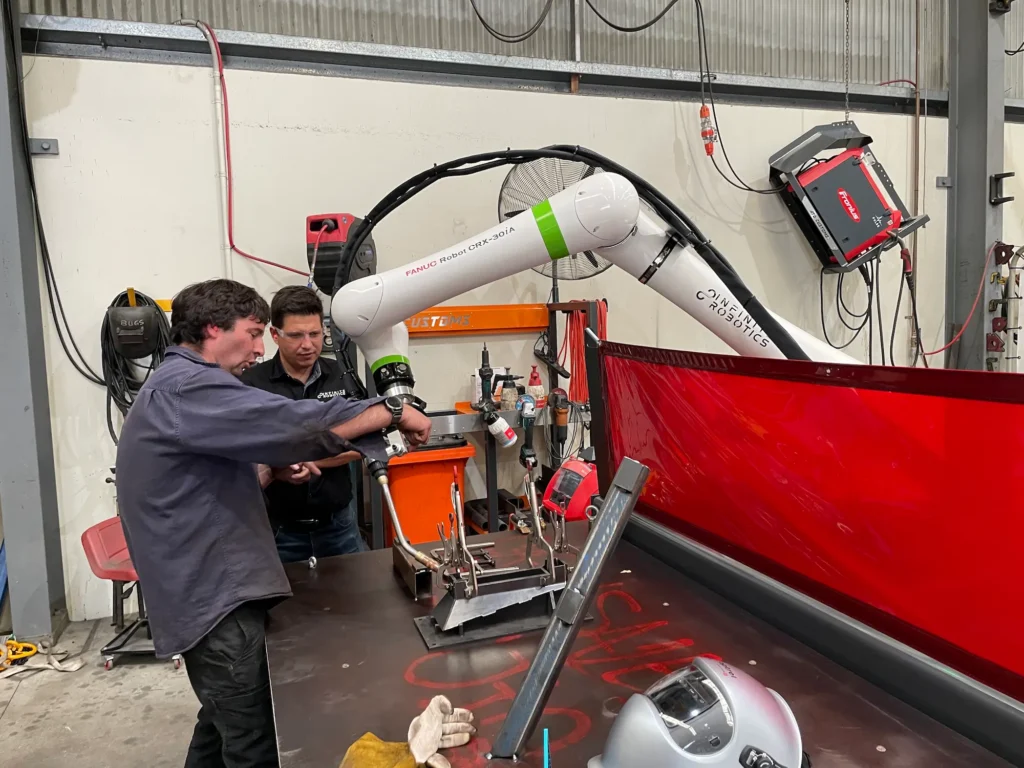
This process allows the robotic welders to translate the way your best welder works into a documented and repeatable process that can be executed perfectly every time. However, we know that every welding project is unique, so that single standardised process won’t always work on every material or project. That’s why the best production lines still need a number of skilled welders to modify existing programs, create new welding programs, optimise processes, identify any potential problems, make adjustments, and keep production moving efficiently.
Scaling Expertise Through Welding Automation
As demands grow, manufacturers are under pressure to scale their operations to keep up. However, this can be challenging while the skill pool is continuing to shrink. With robotic welding systems, businesses can successfully automate a broad range of welding processes.
Welding robotics can handle the repeat jobs effectively, and when paired with skilled operators that can effectively modify existing programs, create new welding programs, and optimise processes to suit unique production requirements, they can also handle more complex tasks. This significantly minimises downtime, streamlines production and gives Australian manufacturers the capability to scale their operations, tackling larger and more complex projects efficiently.
How Robotic Welders Bridge the Skills Gap
Integrating robotic welding systems with your experienced welding team offers significant benefits, allowing you to achieve high-quality, compliant results every time while also providing the capacity to scale your operations. This is a powerful advantage during the current skill shortages, and will only gain more benefits as time goes on, if nothing changes.
Investing in robotic systems today is a smart choice that will offer immediate benefits they continue to compound over time.
Quick Benefits
Implementing robotic welding systems into your production line offers quick wins that you can make the most of straightaway. From day one, robotic welders can embed and protect the invaluable knowledge from your most experienced operators, using it to automate simple repeatable processes, streamlining production and saving time. These systems allow you to do more with the workforce you have today, delivering quick wins without needing to increase your headcount or do any extensive training programs.
Long-Term Gains
Even if the interest in trade pathways and welding was to gain popularity again down the line, robotic welders would still hold their value as it will take many years for the new welders to gain the experience and expertise of the generation before them. The benefits they offer for scalability will also continue to grow, even with an expanded team of experienced operators.
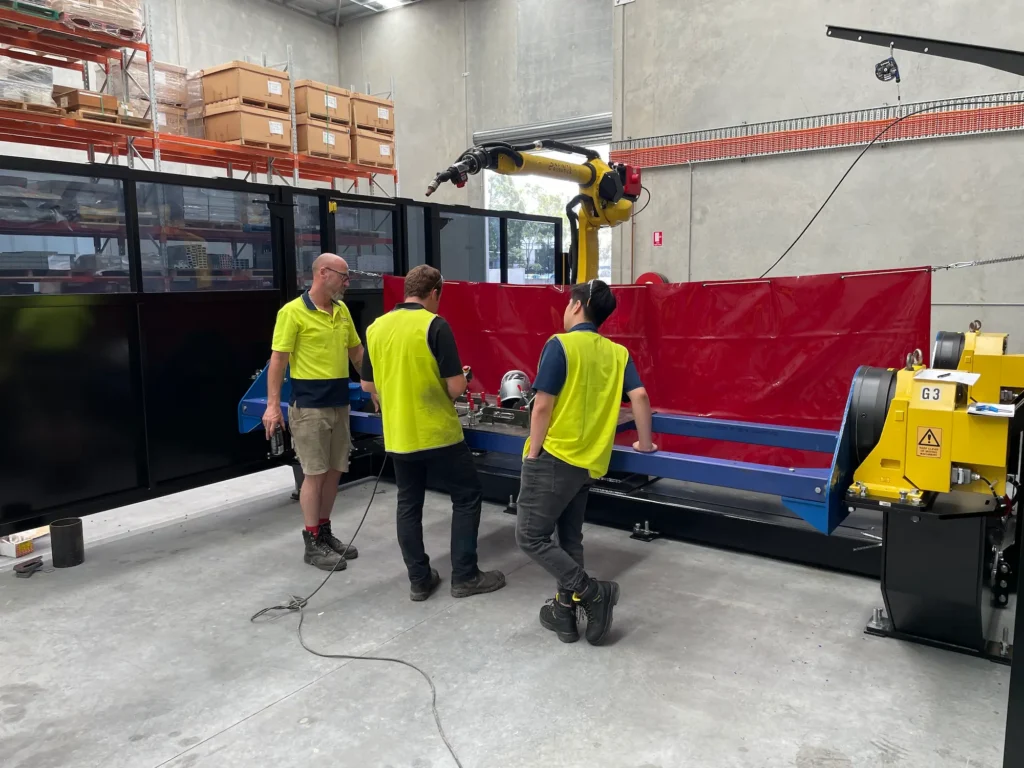
Moreover, as your operators gain skills in operating the robotic welding systems their capabilities will expand. Over time, the robotic welders will transition from simply handling the small, repeatable tasks to handling larger, more complex projects, under the guidance of experienced operators.
Robotic welding systems are a smart long-term investment for manufacturers looking to continually scale their operations, maintain quality, and remain competitive in a rapidly evolving market.
Keep Up and Scale Effectively with Robotic Welding Systems
As the pool of skilled welders continues to shrink, it’s becoming more and more important to find ways to bridge the critical skill gaps and prevent decreased productivity and quality. Robotic welding systems, combined with skilled welding professionals, offer a powerful solution, allowing manufacturers to work more efficiently and productively with their existing team. They also help futureproof operations, helping to scale operations without increasing the headcount.
Contact Infinite Robotics today to discuss your welding needs and discover how our robotic welding systems and dedicated training can help bridge the skills gaps in your business and futureproof your operations.