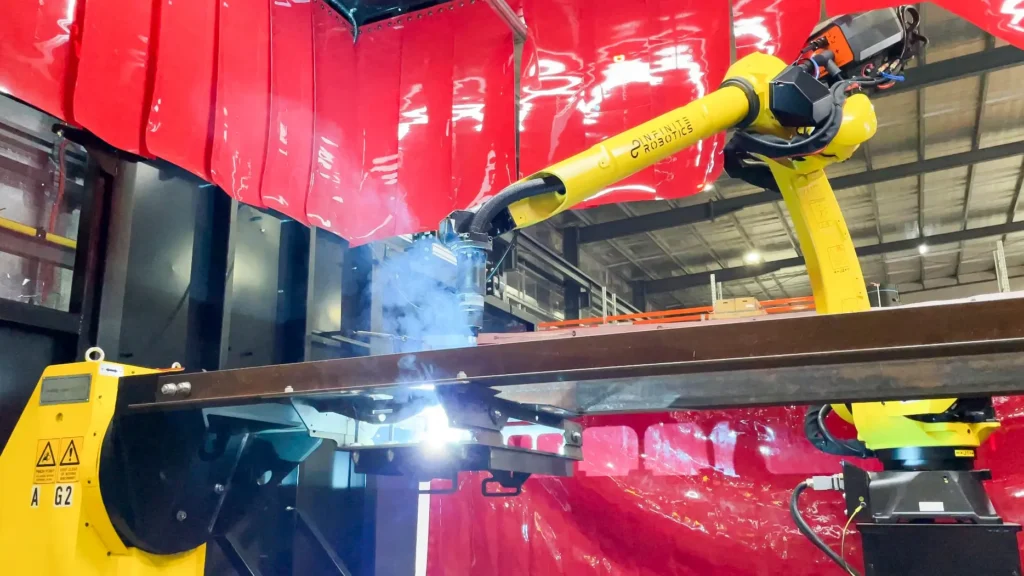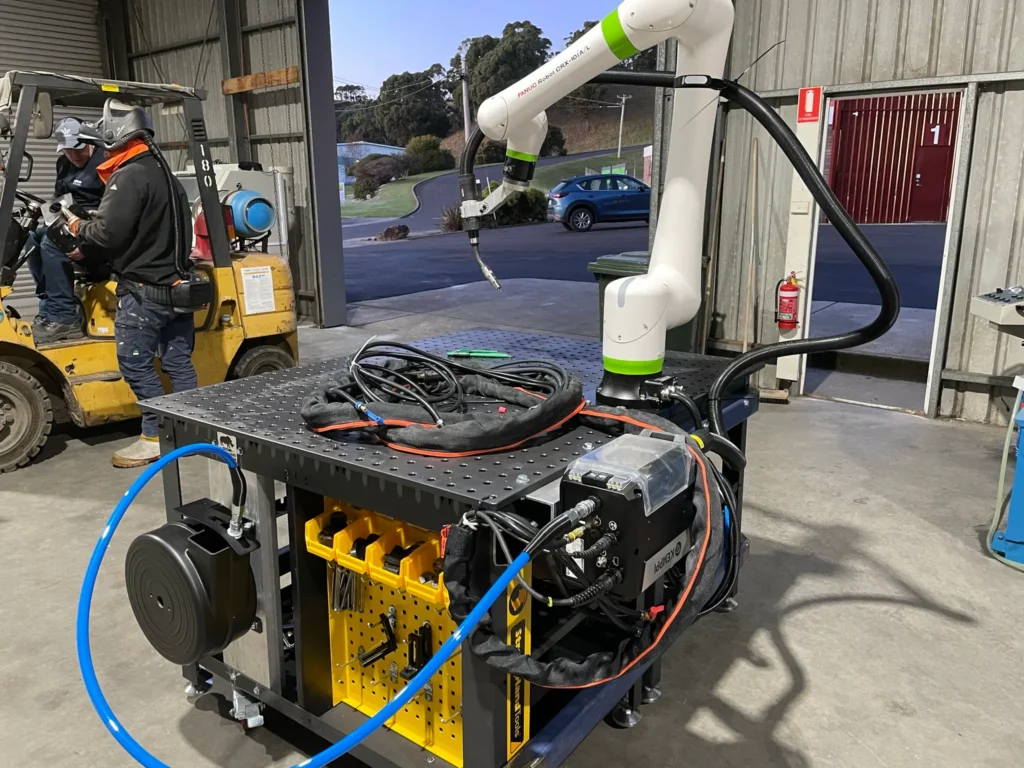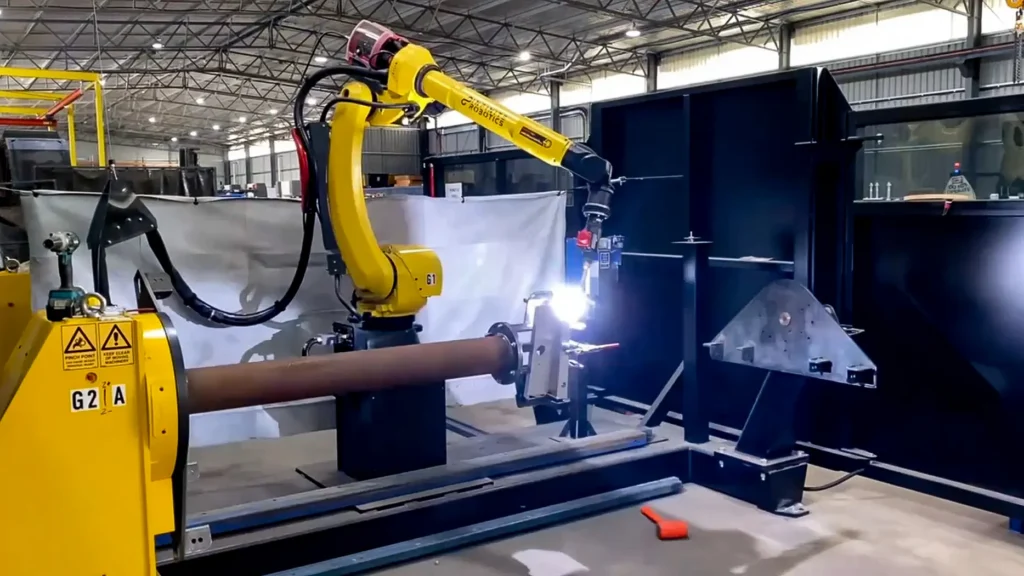
Traditional welding can be a resource-intensive manufacturing process, consuming large amounts of energy, materials, and time. As demands grow and the workforce shrinks, it’s more important than ever for welding companies to find more sustainable ways to work. Every minute of downtime and every wasted resource is detrimental to meeting project deadlines and demands.
In this article, we will explore the reality of traditional welding processes and how adding robotic welding systems in your production line can help to enhance sustainability, minimising waste and downtime.
The Reality of Traditional Welding
Traditional welding carries a significant environmental footprint, consuming large amounts of energy and creating significant waste. Traditional processes are also time consuming. Manual processes are also susceptible to human-error, which then needs to be reworked, thus using even more energy and resources, creating even more waste, and eating up more time.
And as the industry faces global staffing shortages, relying on aging technicians and younger inexperienced workers, the potential for error from fatigue, overwork, or lack of experience is higher than ever.
How Robotic Welding Systems are Transforming the Industry
In an industry in crisis, robotic welding systems are offering an invaluable solution for manufacturers to scale their operations sustainably without increasing their headcount or compromising work quality or morale.
These automated welding machines fill the gaps in staffing, learning from experienced technicians and automating processes seamlessly. They collaborate with your existing team, speeding up processes, boosting productivity, and reducing the potential for error and costly rework.
How Robotic Welding Systems Minimise Waste
Robotic welding systems capture the expertise of your most experienced technicians, embed their years of knowledge and automate their work. This allows them to deliver precise, accurate, and repeatable welds, every time. These automated welding machines also never fatigue, feel overworked, or get overwhelmed and make mistakes or waver in technique and work quality like humans can.
By ensuring high-quality, precise, error-free welds, every time, you can significantly reduce energy consumption, and the amount of waste generated from correcting mistakes or using more material than necessary.
How Robotic Welding Systems Reduce Downtime
Unlike human workers who need breaks, fatigue, or drop their quality as the end of the day or weekend approaches, robotic welding systems work tirelessly, producing high-quality welds 24/7. This allows your workers to set the robots to work, trusting they will produce reliable quality output, every time, while they can also complete other tasks simultaneously. This significantly boosts productivity and overall efficiency and output.
Robotic welding systems feature predictable cycle times and maintenance schedules, allowing you to know exactly when each project is due to be completed and when components need to be repaired or replaced. This allows for more streamlined project planning cycles, ensuring workers are ready to load up the next project the second the last one is complete, significantly reducing downtime and disruptions during project changeover. It also allows for planned maintenance before systems cause failures and at times when it’s the least disruptive to your operations.
Moreover, dual station robotic welding systems allow for simultaneous loading, unloading and welding. This ensures that production is constantly flowing and further reduces downtime between projects, as the operator can be unloading the previous piece or preparing the next piece while the robot is still working.
Traditional vs Automated Welding
When it comes to comparing traditional welding processes against a collaborative process with robotic welding systems, the better option is clear. Automated welding machines significantly reduce the risk of errors and amount of resource waste, including time.
By delivering precise, accurate, and consistent welds every time, robotic welding systems minimise the need for reworks, resulting in less material wastage and smoother production lines. Furthermore, by streamlining processes and supporting continuous work cycles, both with technicians and with the implementation of dual station systems, these automated systems significantly speed up production and deliver increased output.
Automated welding systems are invaluable in a time when the manufacturing industry is facing serious worker shortages while demand continues to increase. They not only fill the gaps in your workforce, but they also allow you to scale your operations sustainably and reliably without needing more workers or compromising weld quality.
Support More Sustainable Operations with Welding Automation
While traditional welding has been embraced for many years, as the industry faces worker shortages and demand grows, many manufacturers need more sustainable and streamlined processes. Automated welding systems allow manufacturers to minimise errors and downtime while simultaneously scaling operations and growing their output sustainably with the workforce they already have. From precise FlexWeld systems to custom-built welding systems, Infinite Robotics delivers innovative robotic welding systems that streamline operations, minimise waste, and enhance overall productivity. Contact our experts today to discuss your welding needs and discover how we can help you embrace more sustainable operations.