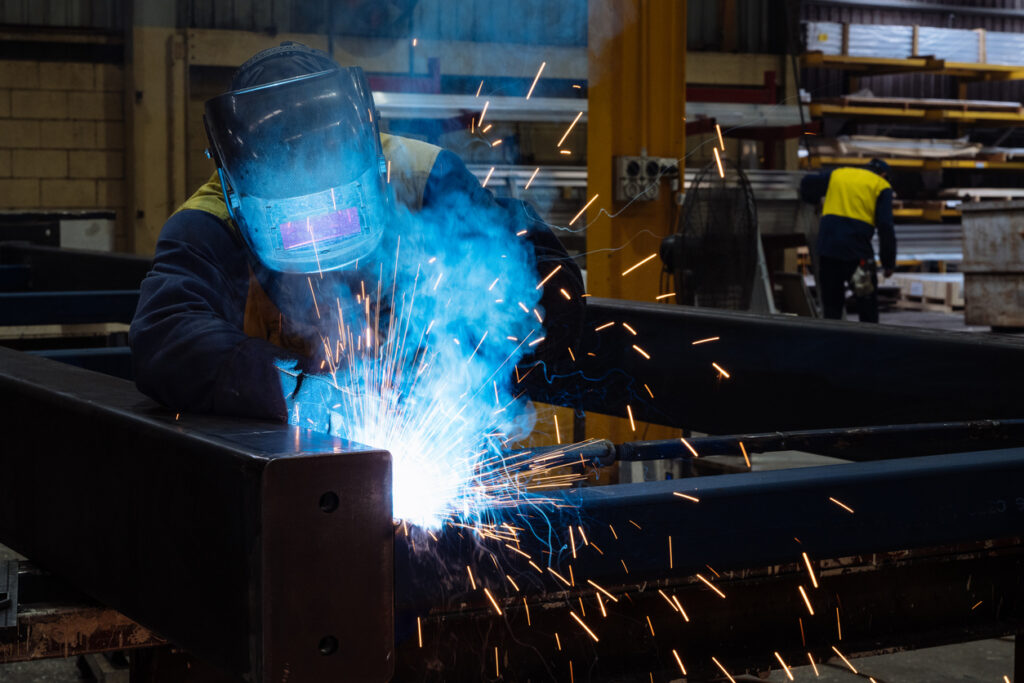
Globally, the welding industry is facing a labour crisis. The average age of welding technicians worldwide is 50+, and young generations are increasingly turning away from the industry, leaving the industry with a significant shortage of skilled workers. And the impacts are far reaching.
From delayed production times and inflated costs to quality reduction, a lack of skilled welders can have detrimental effects on the manufacturing industry. It may start as one delayed shipment due to immediate staffing shortages, but it can quickly escalate into major safety hazards if production speed and quality experiences long-term, compounding drops.
In this article, we will explore the risks and challenges of the current global labour shortage and how it is reshaping how manufacturers operate, including the introduction of welding automation solutions.
The Global Scope of the Shortage
In Australia, manufacturing needs for mining, defense, energy, and agricultural infrastructure continue to boom, while the retirement rates remain steady and recruitment rates are dropping. This is causing widespread issues throughout the sector, however, the issues spread far beyond our shores.
Abroad, the labour shortage is impacting most continents. In the USA, Europe, and even Asia, the retiring workforce is significantly outpacing the number of new entrants in the welding industry. Most major manufacturing giants are experiencing the same challenges in finding skilled welding technicians to keep up with demands and encouraging new generations to embrace the field.
A generational shift away from traditional trade careers in favour of safer, cleaner, and less labour intensive fields is causing shortages in every corner of the globe.
How the Labour Shortage Actually Impacts Manufacturers
This global labour shortage is causing a wide range of problems for manufacturers worldwide.
Production Disruptions and Delays
As experienced welding technicians continue to age and move towards retirement, businesses face significant staffing shortages. Without another generation of welders ready to step into their place, it leaves manufacturers short staffed and unable to scale or even consistently uphold previous production rates.
When manufacturers are unable to staff full shifts it leads to bottlenecks in the production line, causing disruptions and delivery delays. Long-term or consistent project delays and disruptions can frustrate clients and cause them to lose faith in the manufacturer, leading to lost contracts, reputational losses, and lack of business.
Additionally, when attempting to keep up with demands through shortages, businesses often rely on their existing staff working longer hours or more shifts back-to-back. However, this can lead to burn-out and loss of morale, causing skilled workers to consider earlier retirement or career shifts, further adding to the labour crisis.
Quality and Compliance Risks
Welding requires years of training and certification and even more years on the job to perfect. When skilled, veteran welding technicians retire without passing on their hard-earned knowledge and skills to the next generation it can lead to a critical skill gap.
Throwing less experienced welders into the fold without a skilled mentor can result in high defect and rework rates. In demanding and highly regulated industries, such as defense, energy, and mining, weld inconsistencies or failures can carry significant safety risks as well as legal and financial penalties.
Surging Labour Costs
As skilled welding technicians become increasingly scarce the competition for talent intensifies, resulting in inflated wages. Senior welders understand their value to the industry and as such start to demand higher salaries to match, increasing recruitment and retention costs for manufacturers.
Furthermore, with fewer younger welders choosing the field and less senior welders available to pass along their skills and knowledge, the need for constant upskilling and training increases. Manufacturers need to ensure that the staff they do retain are highly skilled, quickly, meaning they need to invest more heavily in on-the-job or off-site training opportunities for existing staff.
How Manufacturers Are Adapting
Despite the challenges and growing labour shortages, the manufacturing demand is now slowing. Therefore, manufacturers need to adapt in order to keep up.
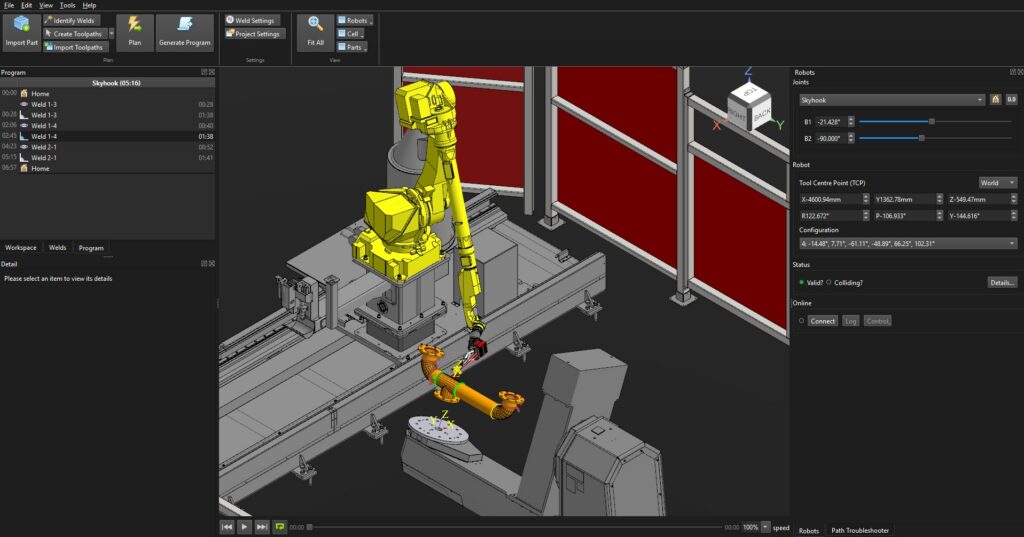
One of the most significant evolutions in the welding industry in the face of the global labour shortage is the introduction of welding automation solutions. Automated welding machines are being adopted by more and more manufacturers to fill the gaps left by retiring welders and the lack of new recruits.
These collaborative welding robots work alongside welding technicians, capturing their knowledge and expertise and automating the processes. This allows manufacturers to keep up with existing demands and even scale their operations without compromising weld quality and without requiring more personnel. This in-turn allows them to remain competitive and meet their clients’ needs consistently.
Workforce Strategy in a Constrained Labour Market
Welding automation is a great strategy, but it’s not a magical solution. Collaborative welding robots do not entirely replace a skilled workforce. They’re designed to work alongside skilled workers, streamlining production processes and scaling capabilities in collaboration.
This means that there is still a significant need to encourage a new generation of welding professionals to join the fray. With the introduction of automated welding machines, the field now appears safer, cleaner, and less-labour intensive, thus appealing stronger to the younger generations.
Manufacturers can position these welding automation technologies as a strong selling point to inspire new welders to join the industry, dispelling the misconception that welding is a dangerous, dirty, or unappealing industry.
Stay Competitive Through Crisis
Labour shortages are being felt throughout the welding industry worldwide. Manufacturers are facing serious risks if they are unable to adapt and overcome these shortages. By embracing welding automation technologies, manufacturers can fill immediate gaps in their staffing to maintain consistent quality and meet growing production demands.
From versatile FlexWeld systems to custom welding systems, Infinite Robotics delivers innovative cobot welding robots to help manufacturers streamline their production and keep up with demands through the crisis. Contact our experts today to discuss your welding needs and discover how we can help transform your production line.