The average age of professional welders throughout the industry is 50+. By this age, many of these professionals are starting to consider their retirement plans — dreaming of spending more time with their family, getting out on the open road and exploring the world, or just slowing down and enjoying their golden years — and they’ve more than earned it.
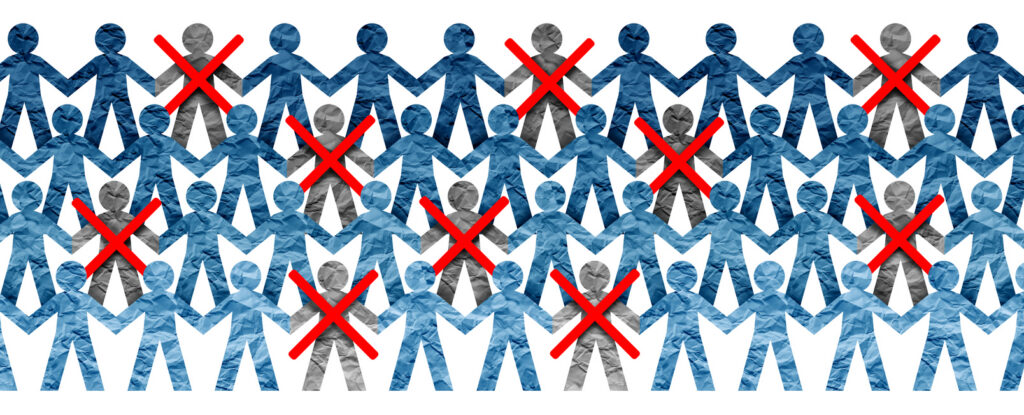
However, this presents challenges for the welding industry, especially with fewer younger talents joining the field each year. With each retirement lunch, companies are losing invaluable knowledge and facing more and more difficulty keeping up with continued demands.
The Recruitment and Retirement Gap
The global welding industry is facing a labour crisis with retirement numbers far outweighing new recruitment numbers. The younger generation is increasingly avoiding traditional trade fields, such as welding due to common misconceptions surrounding working conditions. Many young workers perceive trade fields to be dirty, dangerous and hard work.
Many also harbour concerns that after struggling for years through intensive training, certification and with low apprenticeship wages their jobs will be replaced by robots in the not too distant future. This means that the replacement rate for retiring welding technicians is not being met, leaving businesses struggling to meet demands and the industry in crisis.
What Leaves When a Veteran Welder Retires
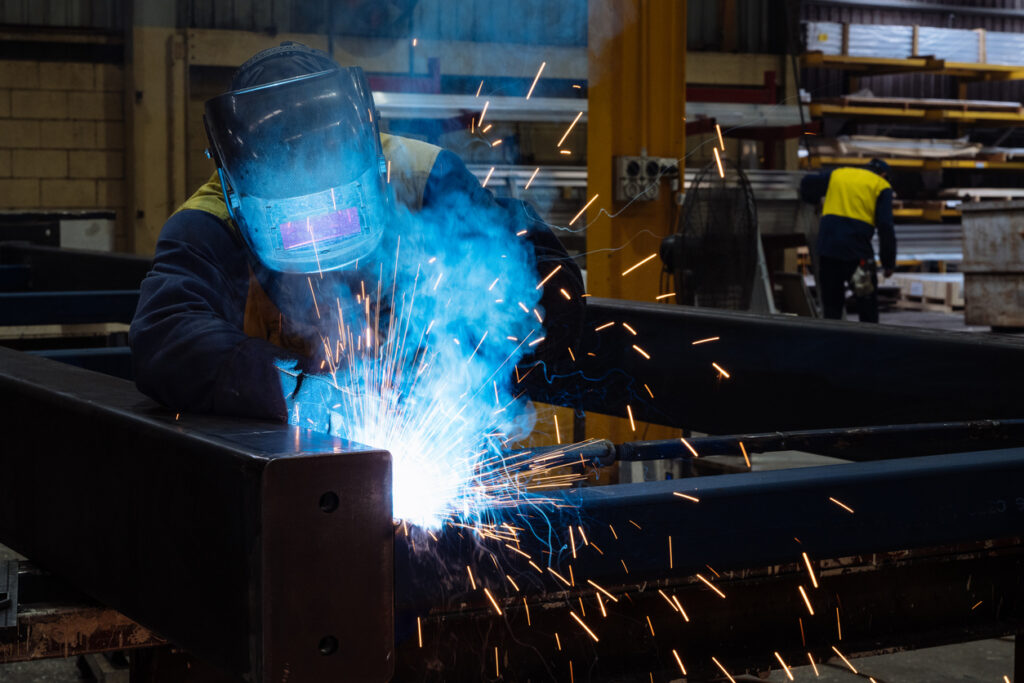
When a veteran welder retires to start enjoying their golden years, they take much more than just memories with them. After years in the industry, professionals gain extensive expertise and invaluable knowledge of the industry that cannot be replicated. Welding requires years of specialised training to learn and many more to perfect.
This is the real cost of an ageing workforce. Veteran welders are taking their learned knowledge and skills with them, and without a younger generation to pass it down to, it’s just lost. This creates a significant, critical skills gap for businesses, threatening productivity and weld quality.
The Risks of an Ageing Workforce
The knowledge and skills gaps created by a retirement rate that exceeds the replacement rate, creates major challenges for a still booming industry. Just because veteran welders are retiring and younger generations are losing interest, doesn’t mean the need for welding disappears.
Many industries, including automotive, mining, agriculture, manufacturing, and defence, still require high-quality welding services. With hard-earned skills and knowledge disappearing and no one picking up the baton, it leaves a small number of people to carry the load that’s not slowing down or going away.
This means that projects get delivered slower, creating cross-industry delays, or being completed by less skilled workers, resulting in lower-quality, less reliable output. This doesn’t just put businesses at risk of bad reputations, but also puts builds and lives at risk across a wide range of industries.
How Welding Automation is Stepping in to Fill the Gap
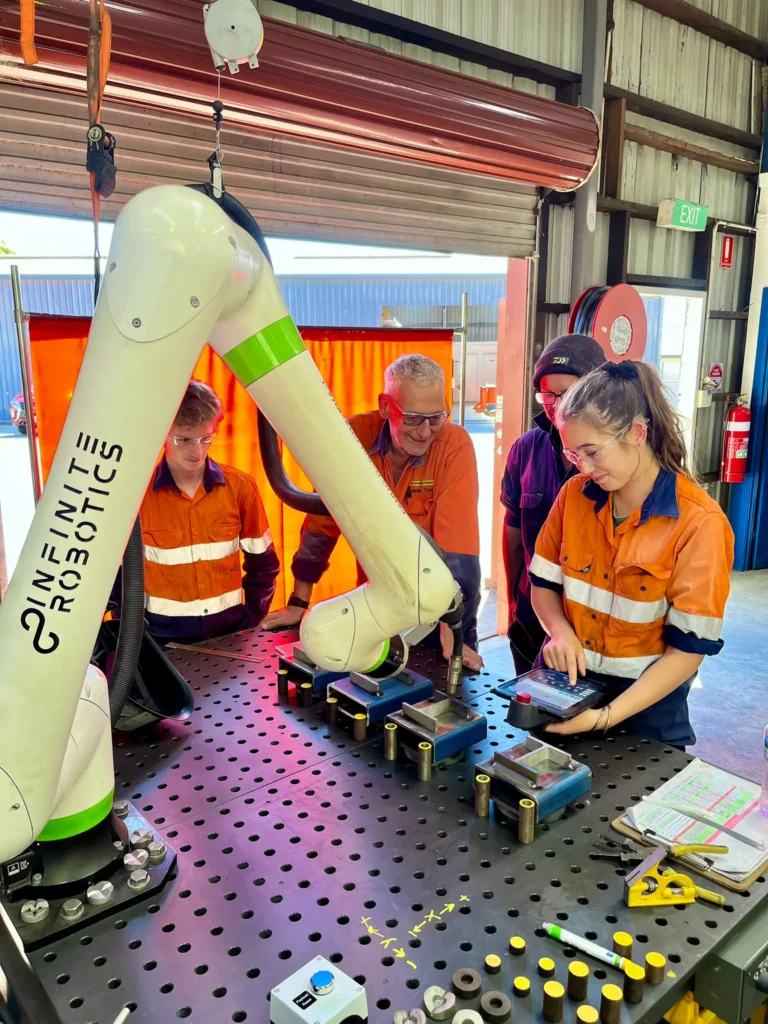
Fortunately, the remaining welders are not alone. Automated welding machines are stepping up to fill the gaps. These collaborative welding robots work alongside professional welding technicians capturing their expertise, embedding their knowledge into automated systems and scaling operations without the need for an increased headcount.
These cobot welding solutions help businesses to enhance their capabilities, scale efficiently, and keep up with increasing demands despite the continued retirements and lack of new recruits.
However, it’s important to note that these robots cannot completely replace professional welders, they are designed to collaborate with them. This means that it’s still necessary to encourage more young workers to join the field.
Fortunately, these welding automations are also making the industry more appealing, by increasing safety, streamlining labour processes, and alleviating concerns that the industry is disappearing. They also make the industry appear more high-tech, innovative, and rewarding, which can further inspire younger generations to seriously consider it.
Combat Ageing Workforce Challenges with Collaborative Welding Robots
For businesses struggling to meet demands as their best welding technicians retire without any new resumes landing in their inbox, welding automation is a game changer. As things stand, the welding industry is a ticking time bomb. To survive the blast, the industry needs to evolve and embrace new technology.
By integrating automated welding machines into your operations, you will not only streamline and scale your processes significantly to meet growing demands without the headcount, but you will also present as a more innovative and future-ready business. This in-turn can make your business more competitive in the global market and more appealing to younger generations, breaking the stigma that this industry is dirty, unsafe, or going away.
From flexible, user-friendly FlexWeld systems to custom-built welding systems, Infinite Robotics delivers high-quality, innovative collaborative welding robots to help streamline operations and meet demands in the face of an ageing workforce. Contact our experts today to discuss your welding needs and discover how we can help optimise your production line.